The Palms Still Stand: Searching for Pahokee’s Vanished Past
The Palms Still Stand: Searching for Pahokee’s Vanished Past
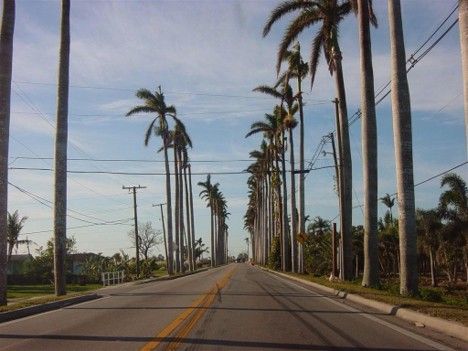
Royal palms lining Pahokee’s main thoroughfare. Photograph by Fl295, Wikimedia Commons; public domain.
We were traveling across Florida in our RV, headed toward Jonathan Dickinson State Park, when a line of magnificent royal palms led us into a town that seemed to belong to another time.
Beyond the palms were vacant lots, weathered buildings, and modest homes that appeared to have endured many difficult years. Some properties were carefully maintained, but much of the town seemed unusually quiet. It reminded me of the ghost towns I have encountered—not because Pahokee is abandoned, but because traces of another, more prosperous time were still visible.
Then I noticed the old theater.
Whenever I visit a new town, I look for its old theater. A theater offers a glimpse into community life that photographs and statistics cannot. Who once waited in line outside? What films did they see? What did Main Street look like on a Saturday night? Where did people eat, shop, or meet their friends before the show?
The old Prince Theatre in Pahokee stopped me. A town does not build a theater like that unless it expects an audience.
I decided to learn more about this interesting community beside Lake Okeechobee—a town that today can seem almost forgotten by modern Florida.
When Pahokee Never Slept
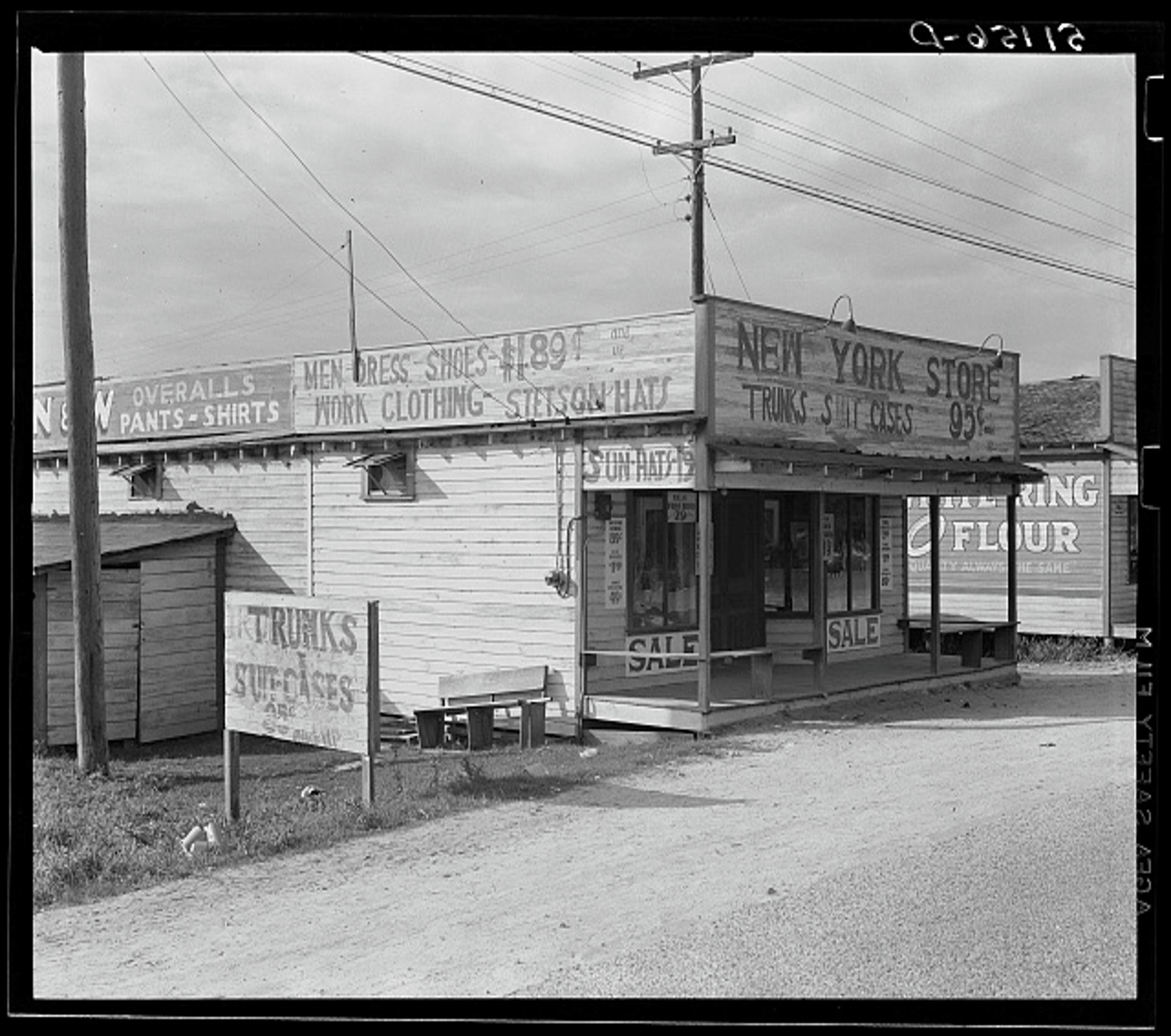
Migrant vegetable pickers and packinghouse workers would visit this general store in Pahokee during the town’s vegetable-farming era. Library of Congress, Farm Security Administration/Office of War Information Collection, LC-USF34-051156-D. No known restrictions.
During the early twentieth century, the dark muck soil surrounding Lake Okeechobee proved extraordinarily fertile. Once portions of the Everglades were drained, farmers discovered that they could grow beans, celery, sweet corn, lettuce, tomatoes, and peppers during the winter, when much of the nation’s farmland was frozen.
Pahokee became an important center of this winter-vegetable industry. During harvest season, the town operated almost around the clock. Produce trucks crowded the streets. Packinghouses remained busy through the night as vegetables were sorted, washed, and packed into crates. Refrigerated railroad cars waited to carry the harvest north.
That activity supported an entire community. Farmers purchased equipment, lumber, and fuel. Packinghouses employed laborers, bookkeepers and mechanics. Visiting produce buyers needed hotels and restaurants. The families supported by these businesses shopped in local stores, deposited money in local banks and attended local churches.
Pahokee had shops, restaurants, hotels, a newspaper, a hospital, and civic organizations. Storefronts were lighted, streets were busy, and the Prince Theatre gave families somewhere to spend a Saturday afternoon. Country singer Mel Tillis, who grew up in Pahokee, appeared in talent shows there before beginning his professional career.
Standing outside the old theater, I tried to imagine the Saturday crowds and the sound of a town that once seemed to be going somewhere.
A Prosperity That Was Not Shared Equally
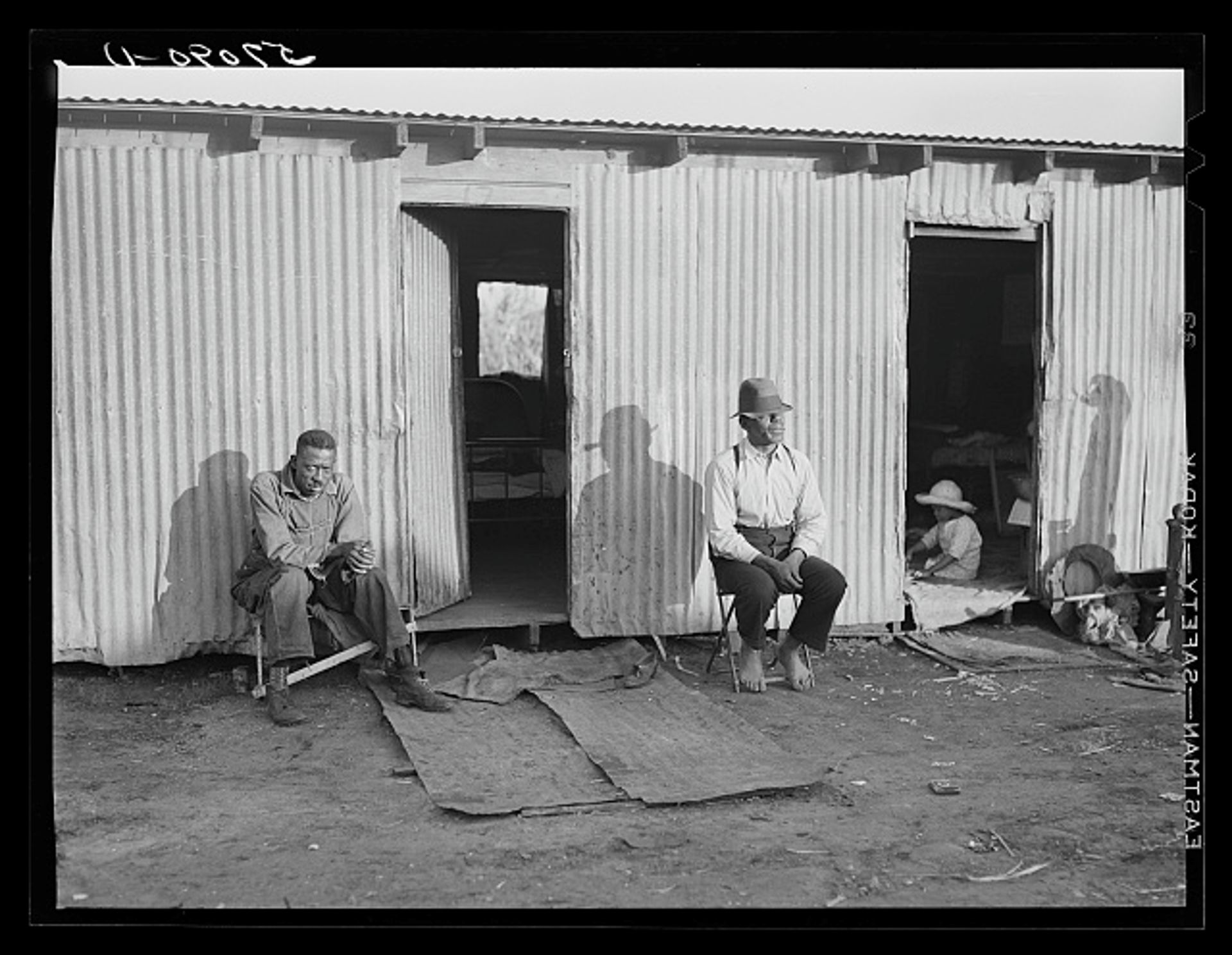
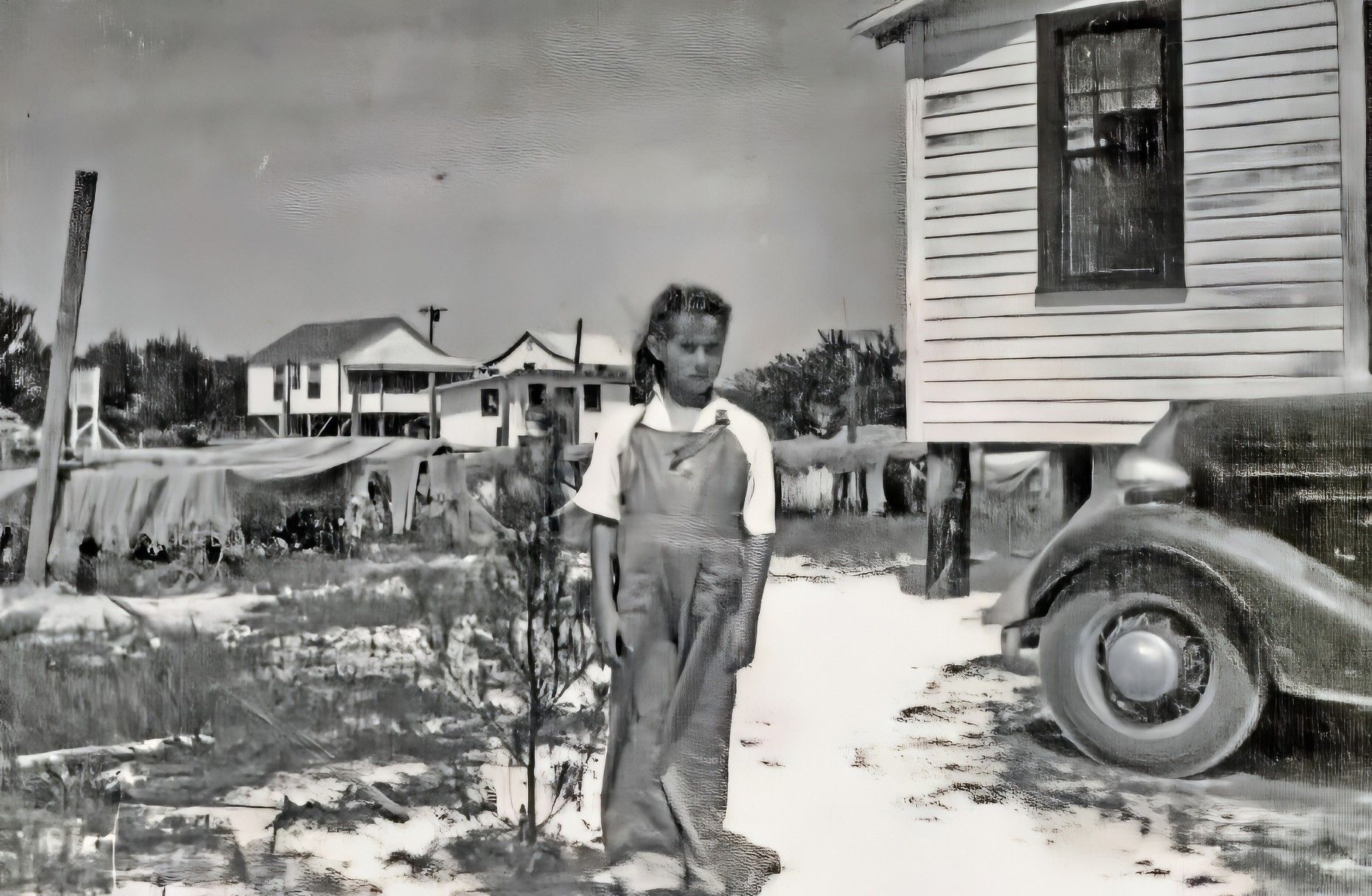
Housing occupied by migratory laborers between Belle Glade and Pahokee, February 1941. Marion Post Wolcott, Library of Congress, FSA/OWI Collection.
Pahokee’s “golden age,” however, was not golden for everyone.
Its agricultural economy depended heavily upon Black workers from the American South and laborers from the Bahamas, Jamaica, and other Caribbean islands. They performed much of the exhausting work that made the region’s prosperity possible.
Many lived in segregated labor camps, tents, or poorly constructed cabins without adequate water, sanitation, or other essential services. The prosperous downtown and impoverished labor camps existed simultaneously. The surviving neighborhoods still reflect some of those old divisions.
The Hurricane of 1928
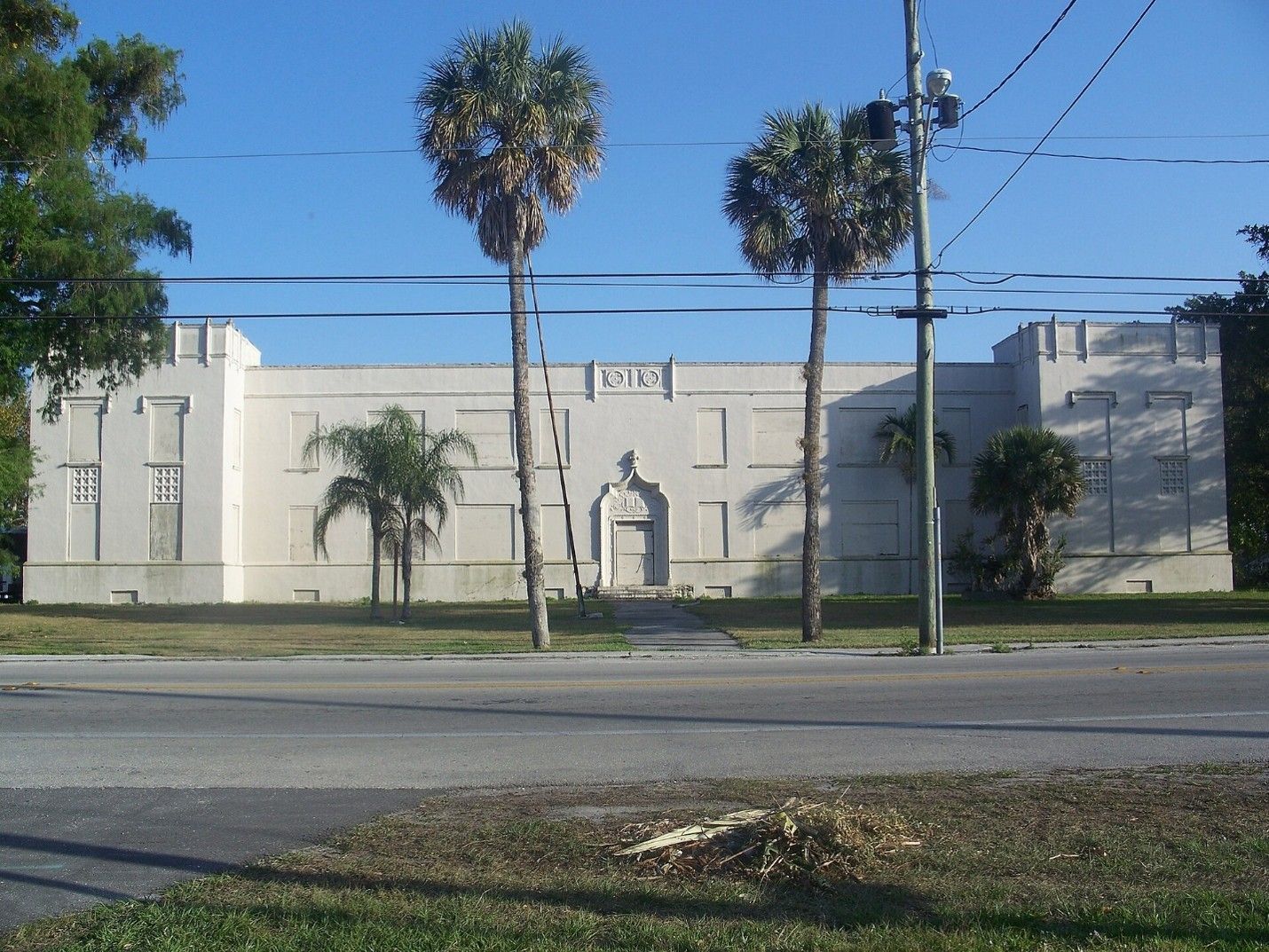
This is the building in which hundreds reportedly sheltered during the 1928 hurricane. Photograph by Ebyabe, Wikimedia Commons, CC BY-SA 3.0.
In September 1928, Pahokee and the other communities around Lake Okeechobee experienced one of the worst natural disasters in American history.
Weeks of rain had raised the lake before a powerful hurricane crossed South Florida. Its winds pushed the water against the lake’s inadequate earthen levees. Water poured over and through them, sweeping across farms, settlements and labor camps.
Wooden houses were lifted from their foundations. Crops, livestock and equipment disappeared beneath the flood. Thousands died around the lake, most of them Black and Caribbean farmworkers. Many victims were never identified or recovered. In Pahokee, hundreds survived by sheltering inside the high school.
Yet the hurricane did not end Pahokee’s prosperity. The town rebuilt, the fields were replanted, and by the 1930s it was thriving again.
The decline came later and more gradually.
When Vegetables Gave Way to Sugar
For decades, winter vegetables had required large numbers of workers. Crops had to be planted, tended, and picked. Once harvested, they had to be sorted, washed, packed, and shipped quickly. A field of beans or celery created work not only on the farm but throughout Pahokee.
Sugarcane changed that relationship.
Sugar had been grown in the Glades for years, but its acreage expanded dramatically during the 1960s. After the Cuban Revolution disrupted Cuba’s access to the American sugar market, Florida’s sugar industry grew rapidly. Large agricultural companies acquired thousands of acres of muck land, and many fields that once produced beans, celery, and sweet corn were converted to cane.
Sugarcane was profitable, but it created a different economy. Vegetables supported numerous farms, seasonal crews, packinghouses, and produce businesses. Cane could be grown across enormous tracts and processed through a relatively small number of centralized mills.
At first, harvesting still required large crews of Caribbean laborers who cut the cane by hand. Over time, machinery increasingly took over the planting, harvesting, loading, and transportation. One machine could perform work that once required many people.
The land remained productive—perhaps more valuable than ever—but fewer local workers were needed.
As jobs disappeared, families left to find work elsewhere. Packinghouses closed because sugarcane did not need to be sorted and packed like fresh vegetables. Hotels, restaurants, stores, and entertainment venues lost customers. As farms were consolidated into large operations, more of the money generated by the surrounding land flowed through corporations instead of through Pahokee’s downtown.
The decline fed upon itself. Fewer jobs meant fewer residents. Fewer residents meant fewer customers and a smaller tax base, making it harder to maintain streets, housing, and public institutions or attract new employers. Coastal Palm Beach County continued to prosper, but the Glades remained geographically and economically isolated.
The Prince Theatre closed. Pahokee’s hospital closed in 1998. The Bryant Sugar Mill near Pahokee closed in 2007 as its operations were consolidated elsewhere. Each loss removed more jobs and another piece of community life.
The land around Pahokee never stopped being valuable. What disappeared was the large number of local jobs that once allowed its agricultural wealth to circulate through the town.
The Mystery of the Palms
This brings me back to the royal palms.
When I saw them, I immediately thought of the palms lining McGregor Boulevard in Fort Myers. Those trees were planted intentionally during the early twentieth century and helped advertise Fort Myers as an attractive tropical destination.
Pahokee’s palms must also have represented confidence and ambition. Such an impressive avenue would have required planning, money, and faith in the town’s future. Perhaps they were planted during the vegetable boom, when Pahokee wanted visitors and produce buyers to see a prosperous agricultural center. Perhaps they were part of a later beautification campaign.
I tried to discover when they were planted and who was responsible, but I reached a dead end. Their origin remains a mystery. Perhaps someone whose family lived in Pahokee remembers the story. An old photograph, civic-club record, or family memory may still provide the answer.
The Palms Still Stand
After learning more, I no longer see Pahokee merely as a relic or ghost town. It remains a living community with families, churches, schools, football traditions, and residents who continue to maintain their homes and institutions. Its appearance today is not evidence that its people stopped caring. It is the visible result of economic changes much larger than the town itself.
As we drove away, the royal palms still stood above the road, as stately as they must have appeared when packinghouses ran through the night, and the Prince Theatre filled with Saturday crowds.
They seemed less like decorations than witnesses—living reminders of a prosperous town that has not entirely disappeared, even if much of its former life is now difficult to imagine.